Community
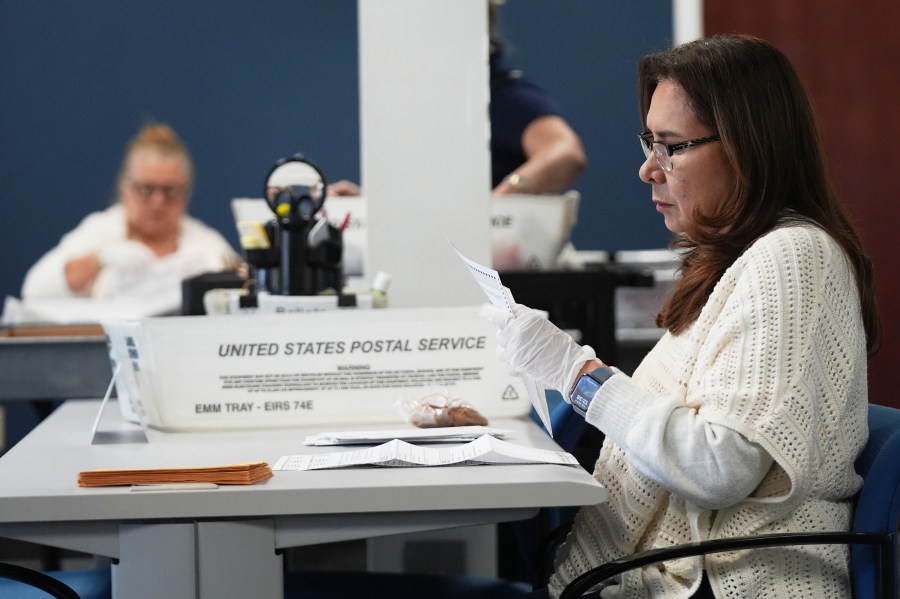
NY counties begin election certification process
By Nina Rodriguez
Advertisement · Why this ad?
Luis Martinez, a proud Albany native, has spent the past 5 years reporting on community issues and grassroots movements. He earned his degree from The City University of New York and has previously worked for various local newspapers, focusing on stories that highlight community resilience and activism.
More from Luis →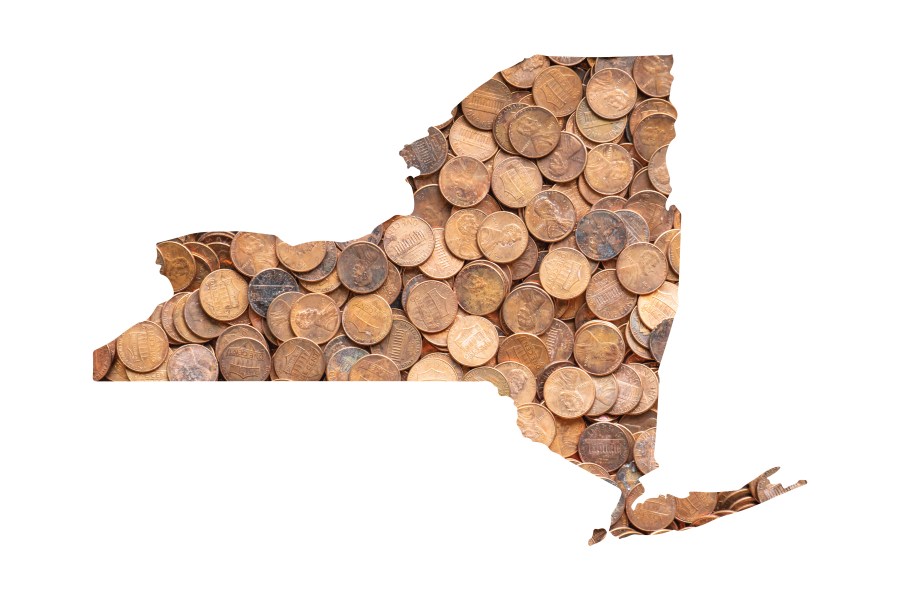
On a brisk spring morning in Albany, Maria Lopez, a single mother of three, pauses from her part-time job at a local grocery store. With her brow furrowed, she reflects on the rising costs of rent, groceries, and childcare—struggling to make ends meet despite her unwavering faith in the promise of a better future. Her story is one of many across New York, where the debate over fair wages is more than just politics; it’s about the daily lives of families committed to the American dream.
Despite the economic challenges brought on by recent inflation, New York’s minimum wage has remained static, frozen at a level that many consider insufficient for today’s cost of living. The state’s decision to hold the wage steady stems from concerns over potential job losses, a common argument in economic debates. However, a recent report from Cornell University paints a different picture—showing that a significant majority of New Yorkers believe it’s time for change.
According to the study, 60% of adults in the state support raising the minimum wage to at least $30 an hour. This figure highlights a shift in public opinion, reflecting the realities faced by everyday families who are stretched thin. For many, the current wage simply doesn’t keep pace with the rising expenses that define their lives, from housing to healthcare.
In New York, where the cost of living is among the highest in the nation, this debate resonates deeply. Cities like Albany, Buffalo, and New York City have seen a surge in living expenses over the past decade, driven by housing shortages, inflation, and economic disparities. Many workers, especially those in retail, service industries, and entry-level jobs, find themselves caught in a squeeze—working multiple jobs or enduring unstable hours just to keep their families afloat.
In Albany, community leaders and residents alike are voicing their support for a wage increase, emphasizing the importance of a living wage rooted in dignity and stability. John Carter, a local pastor and father of four, believes that fair pay is essential for strengthening families and nurturing communities built on faith and perseverance. “When families can thrive financially, they can also nurture their faith and commitment to each other,” he says.
John Carter has been a fixture in Albany’s faith community for over 20 years. His church, a historic Baptist congregation downtown, has long been a hub for social justice initiatives, including affordable housing and workers’ rights. Through his sermons and outreach programs, Carter has seen firsthand how economic hardship can strain families and tear at community bonds. He advocates for policies that recognize the dignity of work and ensure that economic growth benefits all residents, not just the affluent.
For many Albany residents, the idea of a $30 minimum wage is more than just a number; it’s a lifeline. It could mean the difference between staying afloat or falling behind. The higher wage could help families cover essential expenses, reduce reliance on government assistance, and foster a sense of hope and stability. While some worry about potential job losses, advocates argue that fair wages can boost local economies by increasing consumer spending and reducing turnover.
Local small business owners, like Sarah Nguyen, who owns a family-run bakery in downtown Albany, see the potential benefits. “If workers earn enough to support their families, they’re more likely to stay loyal and motivated,” she explains. “That means less turnover for us and a more stable community.” Nguyen also notes that higher wages could help her attract more skilled workers from the community, reducing the constant cycle of training new employees.
As the state contemplates its next move, community organizations and labor advocates are rallying behind the push for a higher minimum wage. The conversation is gaining momentum in Albany, where local officials are listening to residents’ concerns. The city’s chamber of commerce emphasizes that a thriving community depends on fair wages that reflect the cost of living, not just economic theories.
In recent months, town halls and public forums have become common venues for residents to voice their opinions. Many, like Maria Lopez, have shared their struggles and hopes for change. These gatherings foster a sense of collective purpose, as community members push for policies that will support working families.
Furthermore, the push for a $30 minimum wage is not happening in isolation. State legislators, including Assemblymember Monica Martinez and Senator James Sanders, have introduced bills aimed at gradually increasing the minimum wage. Their efforts are backed by labor unions, advocacy groups, and grassroots organizations, all united in the belief that economic justice is essential for a fair society.
Despite broad support, there are significant hurdles to raising the minimum wage to $30. Opponents argue that such increases could lead to higher prices, reduced hiring, or even layoffs, especially in small businesses already struggling to recover from the pandemic’s economic fallout. Policymakers face the challenge of balancing economic growth with social equity, a task that requires careful planning and community engagement.
In Albany, some local officials are proposing phased approaches, gradually increasing wages while monitoring economic impacts. Others are advocating for targeted support programs, such as tax credits or subsidies, to help small businesses adapt to higher payroll costs.
At its core, the debate over the minimum wage is about human dignity and fairness. For families like Maria’s, it’s about ensuring their children have access to stable housing, nutritious food, and quality education. It’s about recognizing the value of work and ensuring that it pays enough to sustain a decent life.
As Albany continues to grow and evolve, the community’s resilience and faith in a brighter future remain unwavering. The voices of families, workers, faith leaders, and small business owners all contribute to a collective push for economic justice. The next few months will be critical as policymakers consider proposals that could reshape the economic landscape of New York.
For Maria Lopez and countless others, the hope is that their stories and struggles will inform policies that prioritize people over profits, dignity over disparity. The path forward may involve difficult choices, but the community’s commitment to fairness and opportunity remains strong, promising a future where every family can share in the promise of prosperity.
By Nina Rodriguez
By Luis Martinez

By Luis Martinez

By Luis Martinez